
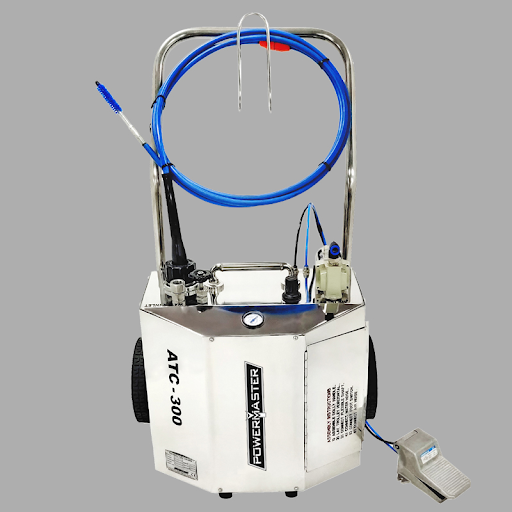
Maintaining the cleanliness of industrial pipes is important for the effectiveness of the operation of heat exchangers, condensers, boilers, refrigerators, and other process equipment. Deposits like scale, sludge, rust, and others could decrease the efficiency of heat transfer and increase energy consumption. This is where pneumatic cleaning offers an effective solution.
The use of compressed air-powered mechanical tube cleaning machines is very effective in removing the build-up within a very short time while ensuring proper functioning of the machines.
Why Tube Cleaning Matters
Table of Contents
The benefits of tube cleaning are improved heat transfer, lower pressure losses, and ensuring that the machine operates at its best capacity. Moreover, it prevents any unexpected downtime due to the fouling of tubes.
1. Removes Stubborn Deposits Efficiently
The major strength of using the pneumatic cleaning method is the removal of tough contaminants such as scale, sludge, rust, and soft fouling through the use of rotating brushes, drills, cutting devices, and polishing equipment.
2. Improves Heat Transfer Efficiency
Clean pipes ensure effective heat transmission from one fluid to another, hence making sure that all boilers, condensers, and heat exchangers function optimally. Effective heat transfer saves on energy use, improves efficiency, reduces operating expenses, and eliminates the possibility of inefficient operation due to fouling.
3. Reduces Equipment Downtime
Pneumatic tube cleaners are portable pieces of equipment that can be easily set up and used. Maintenance personnel can conduct their cleaning activities in the shortest time possible during planned downtimes.
4. Supports Multiple Industrial Applications
Pneumatic cleaning systems are commonly employed in various industries, such as:
- Power generation
- Oil & gas
- Petrochemicals
- HVAC systems
- Sugar mills
- Marine applications
- Chemical plants
Because of their flexibility, they can be used to clean various types of heat exchangers.
5. Works with Different Tube Sizes
As flexible shafts and interchangeable cleaning tools can be used for these types of cleaning systems, the systems can deal with tubes of different diameters. It means that one system is good for various maintenance purposes.
6. Improves Cleaning Accuracy
Many pneumatic cleaning units consist of flexible shafts that make it easier to rotate cleaning tools within the tube. This makes it easier for the operator to clean the entire length of the tube.
7. Helps Extend Equipment Life
Removal of deposits before they reach critical levels minimizes the chances of corrosion and wear on the heat transfer equipment. Maintenance also helps prolong the life span of industrial equipment.
8. Offers Faster Maintenance Operations
Unlike manual cleaning processes, pneumatics offer faster cleaning speeds with reduced labor effort. This increases maintenance efficiency, particularly during the cleaning of huge tube assemblies.
9. Enhances Operator Convenience
Using portable equipment together with a pneumatic hose tube pipe cleaning gun helps in making maintenance activities effective in workshops and field maintenance sites. The portability of the equipment enhances the effectiveness of maintenance operations.
10. Reduces Long-Term Operating Costs
Clean tubes enhance energy efficiency, minimize the need for repairs, and decrease the need for maintenance. All of these advantages, in the long run, result in considerable cost savings for industrial plants.
Conclusion
Tube cleaning is an important aspect that helps ensure the efficiency and reliability of heat exchangers, boilers, condensers, and many other process equipment. By ensuring effective heat transfer, minimizing downtime, and prolonging the service life of the equipment, pneumatic cleaning becomes a perfect option for today’s industry.
With the use of proper equipment like a pneumatic tube cleaner and a hose tube pipe cleaning gun, maintenance work becomes easier. At Tube Cleaners, you will find all types of pneumatic tube cleaners that can help your industry improve equipment performance and reduce maintenance costs.

