
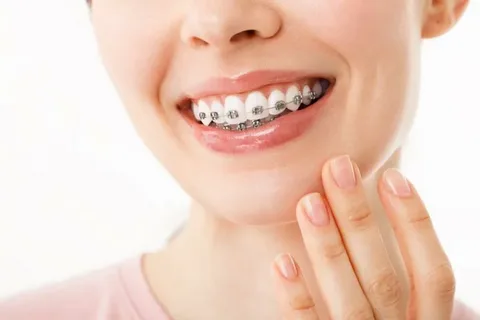
Orthodontic treatment in Singapore is no longer viewed as a one-dimensional cosmetic upgrade. It is a structured clinical process that addresses bite alignment, jaw positioning, and long-term oral stability through carefully planned interventions. Patients today are presented with options that differ not only in appearance but also in biomechanics, comfort, and maintenance requirements, making decision-making more nuanced than it appears at first glance.
When evaluating treatment, financial clarity becomes just as important as clinical understanding. The variation in teeth braces cost in Singapore is not arbitrary but tied to measurable factors such as appliance design, orthodontic control systems, and treatment predictability. Recognizing how these elements interact allows patients to assess value rather than reacting purely to headline pricing.
The Mechanics Behind Orthodontic Pricing
Table of Contents
Orthodontic cost is fundamentally tied to how controlled tooth movement is achieved. Systems that rely on conventional ligatures require periodic tightening, which increases chair time and follow-up frequency. In contrast, advanced systems such as self-ligating braces reduce friction and may streamline adjustments, influencing both time and operational cost structures.
Another pricing layer emerges from treatment planning itself. Clinics that use digital simulations and structured progression models invest more in diagnostics upfront. While this may raise initial costs, it often reduces mid-treatment unpredictability, which is where unplanned expenses tend to arise in less structured approaches.
Appliance Systems and Their Functional Differences
Not all braces operate on identical principles, even if they appear similar externally. Metal braces apply consistent force through archwires and elastics, making them highly effective for complex cases involving rotation or vertical discrepancies. Their reliability lies in their ability to deliver controlled pressure across multiple axes.
Ceramic braces follow the same mechanical principles but use tooth-colored materials to reduce visibility. Self-ligating systems, on the other hand, eliminate elastic ties and allow wires to move more freely. This reduces resistance and can improve comfort during adjustments. Clear aligners function differently by applying staged pressure through sequential trays, making them suitable for cases where gradual repositioning is sufficient.
Treatment Time Is a Function of Control, Not Just Severity
It is a common assumption that more severe cases automatically take longer. In reality, treatment duration depends heavily on how efficiently force is applied and adjusted. Systems that allow smoother wire movement or digitally pre-planned aligner stages can sometimes reduce inefficiencies in treatment progression.
Patient behavior also plays a measurable role. Missed appointments or inconsistent aligner usage disrupt planned force application, extending timelines regardless of the system used. Orthodontic treatment is therefore a combination of clinical precision and patient compliance rather than a fixed-duration process.
Cost Structures Are Often Layered, Not Linear
Orthodontic fees are rarely presented as a single bundled number in practice. Instead, they are built from multiple components that reflect different stages of care. Initial consultations may include diagnostic imaging, while treatment fees cover appliance placement and periodic adjustments.
Diagnostic and Planning Costs
Advanced clinics invest in detailed assessments before initiating treatment. This includes scans, bite analysis, and simulation models that map tooth movement. These steps ensure that treatment begins with a high level of precision.
Active Treatment Costs
This stage includes appliance installation and ongoing adjustments. The complexity of movement and frequency of visits directly influence how this portion is structured.
Retention and Stabilization
Post-treatment retention is essential to maintain alignment. Retainers are not optional add-ons but a continuation of the treatment process, ensuring that results remain stable over time.
Payment Models Reflect Treatment Philosophy
The way a clinic structures its payment system often reflects its operational approach. Some clinics prefer staged payments that align with treatment milestones, ensuring that financial commitment progresses alongside clinical progress. Others may offer simplified packages that bundle multiple components into a single plan.
Structured Installments
Installment-based systems distribute cost over time, making treatment accessible without requiring a large upfront commitment. This model aligns well with longer treatment durations.
Transparent Package Models
Certain clinics focus on clarity by presenting all-inclusive pricing. This reduces uncertainty and allows patients to plan finances without anticipating additional charges.
Flexible Entry Points
Some providers allow patients to begin treatment with a lower initial payment, making it easier to start without delaying necessary orthodontic care.
Technology Alters Both Cost and Experience
Orthodontic technology has shifted from manual estimation to data-driven planning. Digital scans replace physical impressions, improving accuracy and reducing patient discomfort. More importantly, these scans enable simulation-based planning, where each stage of tooth movement is mapped before treatment begins.
Predictive modeling tools also allow orthodontists to anticipate potential challenges early. While such technology adds to the upfront investment, it often minimizes corrective adjustments later, which can otherwise extend both time and cost.
Specialist-Led Care Changes Treatment Outcomes
Orthodontics is a specialized discipline within dentistry, and the depth of expertise directly affects treatment quality. Clinics that focus exclusively on orthodontics tend to adopt more structured methodologies, ensuring that each phase of treatment is aligned with long-term outcomes rather than short-term adjustments.
This specialization also improves consistency in monitoring progress. Patients benefit from clearer communication, better-defined treatment stages, and a more predictable overall experience.
Mid-Treatment Awareness and Cost Evaluation
As treatment progresses, patients often gain a clearer understanding of how their plan is unfolding. At this stage, reassessing teeth braces cost in singapore in relation to progress and efficiency becomes relevant. A well-managed treatment plan should show consistent advancement without frequent deviations.
Clinics that maintain transparency during this phase help reinforce patient confidence. Clear updates on progress, expected adjustments, and remaining duration ensure that patients remain engaged and informed throughout the process.
Final Thoughts
Is orthodontic treatment simply about selecting the lowest price, or is it about committing to a structured and reliable process? Those who approach treatment with a focus on planning, expertise, and transparency tend to achieve more consistent results. BRACESAURUS positions itself within this framework by offering specialist-led orthodontic care, clear pricing structures, and modern treatment systems, helping patients make informed decisions about braces for teeth while ensuring that every stage of the journey is carefully managed.

