
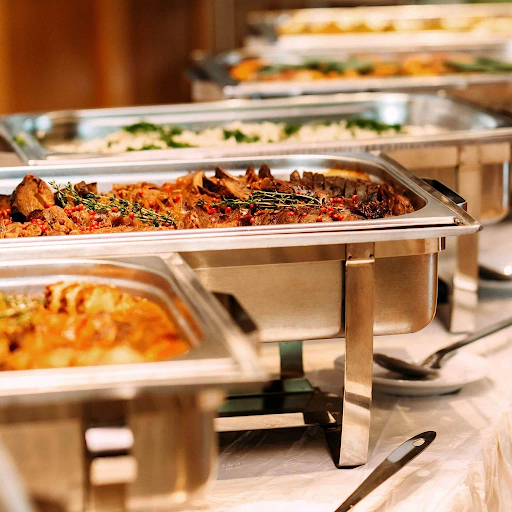
Delivering meals to a large workforce, corporate gathering, or commercial facility requires more than preparing good food. Behind every successful service is a coordinated process involving procurement, menu planning, staff scheduling, preparation, transportation, and quality control. When these activities are managed effectively, customers receive meals on time and organisations can concentrate on their primary responsibilities.
Professional catering solutions bring these activities together under a coordinated operating structure. They help businesses plan their food service requirements, establish consistent procedures, and manage the practical challenges associated with serving different numbers of people across different locations.
The right approach depends on the organisation’s size, operating hours, budget, and service expectations. A corporate office may require predictable weekday meals, while a large industrial site may need continuous support for employees working different shifts. Understanding these differences is the first step towards designing a service that works reliably.
Planning for Consistent Food Service
Table of Contents
Successful catering begins with an accurate understanding of demand. Providers need to know how many people will be served, when meals must be available, what facilities exist on site, and whether any dietary requirements must be accommodated.
Accurate forecasting helps determine ingredient quantities, staffing levels, preparation schedules, and delivery arrangements. When meal numbers are consistently overestimated, food may be wasted. Underestimating demand can leave customers without sufficient portions and create unnecessary disruption.
Organisations can improve planning by communicating attendance changes promptly and reviewing consumption patterns regularly. Providers should use this information to refine purchasing decisions and adjust production schedules.
Planning must also account for unusual circumstances, such as special events, public holidays, changes in working hours, or temporary increases in attendance. A flexible operating plan helps the service respond without compromising quality.
Designing Menus Around Customer Needs
Menu planning influences satisfaction, nutrition, cost, and operational efficiency. A successful programme offers variety while remaining suitable for the available ingredients, equipment, workforce, and budget.
Providers should consider cultural preferences, allergies, dietary restrictions, portion sizes, and the nutritional needs of the intended audience. Ingredient information should be communicated clearly, and procedures should be established to prevent cross-contact when meals must meet specific dietary requirements.
Rotating menus can help maintain interest, particularly in workplaces where employees eat on site regularly. Feedback can reveal which dishes are well received and which may need adjustment.
Seasonal ingredients and thoughtful purchasing can also support cost control. However, substitutions should be communicated appropriately, particularly when they affect allergens, dietary suitability, or customers’ expectations.
The Importance of Procurement and Supply Chain Management
Reliable catering depends on obtaining ingredients of suitable quality at the right time. Procurement teams must coordinate suppliers, monitor availability, assess product quality, and maintain appropriate storage arrangements.
A well-organised purchasing process helps reduce last-minute shortages and makes expenditure easier to track. Providers should establish suitable supplier relationships and procedures for evaluating deliveries.
Storage is equally important. Perishable ingredients must be handled according to applicable food safety requirements, and stock rotation should help prevent products from becoming unsuitable for use.
Organisations should also consider contingency arrangements for supply interruptions. Alternative sourcing procedures can help maintain service continuity, provided that replacements meet the required quality and safety standards.
Maintaining Quality and Food Safety
Customers expect meals to be prepared and served safely, regardless of the size of the operation. Food safety must therefore be built into everyday procedures rather than treated as a final inspection.
Important controls include staff hygiene, cleaning schedules, appropriate storage temperatures, safe preparation practices, and measures to prevent cross-contamination. Transportation and serving arrangements must also maintain appropriate food safety conditions.
Training helps employees understand their responsibilities, while supervision and recordkeeping support consistent implementation. Businesses should review the provider’s procedures and confirm that operations comply with applicable regulations.
Quality assurance should also consider the appearance, taste, temperature, portion consistency, and presentation of meals. Regular checks can identify issues before they become recurring customer complaints.
Catering Services for Different Business Environments
Different organisations have different service requirements. Corporate offices may prioritise punctual lunch breaks and convenient serving arrangements. Industrial facilities may require meals for large numbers of employees working in shifts. Conferences and business events may need carefully timed refreshments, plated meals, or buffet service.
Businesses looking for Catering & Hospitality Services Nigeria should assess whether a provider can adapt its operations to the setting. Relevant considerations include staffing capacity, transport arrangements, equipment, site access, menu flexibility, and the ability to handle changing attendance.
A site visit can help identify practical challenges before service begins. The provider can assess kitchen facilities, serving areas, storage capacity, access restrictions, and the time available for meal distribution.
Clear expectations should be documented so that everyone understands who is responsible for preparation, delivery, serving, cleaning, and reporting any problems.
Using Technology and Performance Monitoring
Digital tools can support catering operations by improving meal forecasting, stock tracking, order management, and reporting. Even straightforward recordkeeping systems can help managers identify consumption trends and control costs.
Performance indicators should reflect the organisation’s priorities. Useful measures may include delivery punctuality, meal availability, food waste, customer satisfaction, hygiene compliance, and spending against budget.
Data becomes more valuable when it leads to practical improvements. For example, recurring complaints about delays may indicate that serving arrangements or staff schedules need to be changed.
Regular reviews help the provider and client identify patterns, agree on corrective actions, and evaluate whether those actions have worked. The purpose is not simply to collect figures but to improve the service over time.
Reducing Waste and Supporting Sustainability
Catering operations can reduce waste through accurate forecasting, appropriate portioning, efficient storage, and responsible purchasing. These measures may lower costs while reducing the environmental impact associated with discarded food.
Providers should monitor which meals are frequently left uneaten and determine whether portion sizes, menu choices, or production volumes need adjustment.
Packaging and waste disposal also deserve attention. Reusable options may be appropriate in some settings, while other environments require practical single-use solutions that comply with hygiene requirements.
Sustainability initiatives should be realistic and measurable. Small improvements implemented consistently can be more effective than ambitious plans that are difficult to maintain.
Building a Reliable Service Partnership
The best catering arrangements are supported by clear communication and shared expectations. Clients should explain their needs, provide timely information, and establish a straightforward process for reporting concerns.
Providers should respond constructively, maintain appropriate records, and recommend improvements when they identify recurring operational problems. Regular meetings can help review service performance, discuss upcoming requirements, and agree on practical changes.
Contracts should clearly define responsibilities, service levels, pricing, and procedures for managing changes. This helps reduce misunderstandings and provides a basis for evaluating performance fairly.
Conclusion
Successful catering operations combine careful planning, dependable procurement, safe food handling, skilled personnel, and continuous improvement. Organisations that evaluate these factors can make more informed decisions about their food service arrangements.
Catering & Facilities Solutions Limited (CFS) supports organisations in Nigeria through catering and facilities-related capabilities, with an emphasis on service delivery, operational standards, and customer satisfaction. A well-matched provider can help businesses create a food service programme that meets practical requirements while remaining adaptable as those requirements change.

