
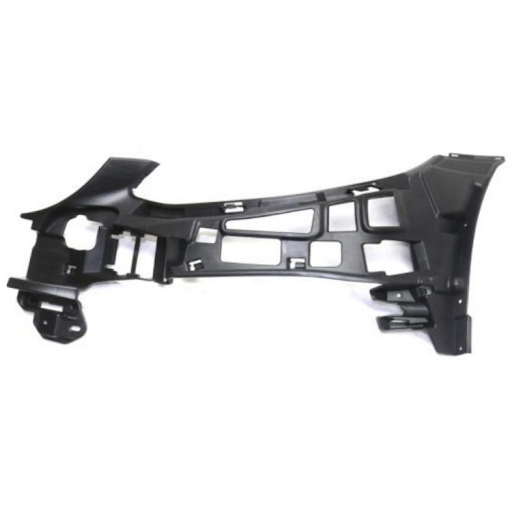
Maintaining a Mercedes requires attention to component quality, compatibility, reliability, and long-term value. Choosing suitable replacement parts can help keep the vehicle performing consistently.
For owners and workshops, aftermarket options can provide greater flexibility when replacing worn components. A Mercedes aftermarket parts wholesaler can offer access to a broader selection while supporting efficient sourcing. However, buyers should still consider specifications, manufacturing standards, fitment, durability, and the intended application before purchasing replacement components for a vehicle.
Building Better Choices Around Quality Auto Parts
Table of Contents
A careful parts selection process helps vehicle owners and workshops balance quality, compatibility, availability, and overall maintenance costs without compromising expected performance.
1. Checking Compatibility Before Purchase
Every Mercedes model can have different component requirements depending on its generation, engine, transmission, and configuration. Buyers should confirm part numbers, specifications, and vehicle compatibility before ordering. Checking these details reduces the risk of receiving an unsuitable component and can prevent unnecessary returns, installation delays, or additional expenses during the repair process.
2. Considering Quality Alongside Price
Lower prices can appear attractive, but the cheapest component may not always provide the best overall value. Buyers should assess manufacturing quality, material durability, expected service life, and compatibility before comparing prices. A reliable aftermarket component can provide a practical balance between purchase cost and long-term maintenance requirements when selected carefully.
3. Supporting Efficient Workshop Operations
Workshops often need multiple components for different Mercedes models and repair requirements. A dependable supply channel can make sourcing easier by providing consistent access to commonly required parts. Better availability can reduce waiting periods, support smoother repair schedules, and help workshops serve customers without unnecessary interruptions caused by difficult-to-source components.
4. Reviewing Supplier Product Information
Clear product information can make purchasing decisions more straightforward. Buyers should look for details covering component specifications, applicable vehicle models, part references, manufacturing information, and available quantities. Suppliers that provide transparent product information can help customers compare suitable options more confidently and reduce uncertainty before placing an order.
5. Balancing Availability With Long-Term Value
A replacement component is most useful when it combines suitable quality with reliable availability and reasonable pricing. Buyers should consider whether a supplier can consistently provide the required parts rather than focusing only on a single purchase. A dependable supply relationship can make future maintenance planning easier for workshops, retailers, and vehicle owners.
Sourcing Mercedes Parts With Greater Confidence
A structured sourcing process helps buyers compare replacement components based on quality, compatibility, pricing, availability, and intended use.
Understanding Wholesale Parts Sourcing
When dealing with a Mercedes aftermarket parts wholesaler, buyers can access a broader selection of components for different models and maintenance requirements. Wholesale sourcing can be particularly useful for workshops, retailers, distributors, and automotive businesses that require parts regularly or in larger quantities. Instead of choosing products based only on price, buyers can compare specifications, part numbers, manufacturing quality, availability, packaging, and delivery arrangements. Reliable sourcing also helps businesses maintain suitable inventory levels and respond to customer requirements more efficiently. Before placing an order, confirm compatibility with the intended Mercedes model and application. Buyers should also understand ordering terms, quantities, product documentation, and supplier support. A structured procurement process can reduce incorrect purchases, minimise delays, and make recurring parts requirements easier to manage.
Key Factors for Selecting Aftermarket Components
Careful evaluation can help buyers identify suitable replacement parts while balancing product quality, compatibility, availability, and overall purchasing value.
1. Comparing Product Range and Availability
A broad product range can simplify sourcing by giving buyers access to different Mercedes components through one supplier. Consistent availability is particularly valuable for workshops and retailers handling recurring requirements. Buyers should review stock levels, commonly required parts, product variants, and ordering procedures before establishing a regular purchasing relationship.
2. Confirming Part Numbers and Specifications
Part numbers provide an important reference when identifying replacement components. Buyers should compare the required reference with available options and confirm compatibility with the specific Mercedes model, engine, and configuration. This can reduce incorrect purchases, installation delays, returns, and extra costs from unsuitable components.
3. Evaluating Manufacturing and Product Quality
Aftermarket components can differ in materials, manufacturing processes, durability, and quality standards. Buyers should consider manufacturer information, product specifications, construction quality, and applicable standards before selecting a component. Looking beyond the initial price can help identify products that offer a more appropriate balance between cost and expected service life.
4. Considering Bulk Procurement Requirements
Workshops, retailers, and distributors may require components in larger quantities. Bulk procurement can make inventory planning easier when demand is predictable and recurring. Buyers should confirm quantities, product variants, packaging, pricing, storage requirements, and delivery schedules before placing larger orders to ensure the purchase aligns with their operational needs.
5. Maintaining Reliable Supplier Communication
Clear communication can simplify discussions about availability, specifications, pricing, order quantities, and delivery timelines. A responsive supplier can also make repeat purchasing easier when particular components are required urgently. Keeping accurate product references, invoices, order records, and delivery details can further support organised inventory management and smoother future procurement.
Balancing Quality, Cost, and Long-Term Maintenance
Selecting suitable aftermarket components involves looking beyond the initial purchase price and considering factors that can influence ongoing vehicle maintenance and ownership value.
Quality, compatibility, availability, durability, and supplier reliability can all affect the overall value of a replacement component. Buyers should consider whether a part meets the vehicle’s specifications and whether it is suitable for its intended application. For workshops and businesses, consistent availability can also support smoother repair schedules and inventory planning. Comparing different options based on product information, expected service life, pricing, and sourcing convenience can lead to more practical purchasing decisions. A dependable supply channel may also make repeat procurement easier when particular components are needed regularly. Taking these factors into account allows buyers to balance immediate costs with longer-term maintenance requirements instead of selecting parts solely because they have a lower upfront price.
Final Thoughts: Making Better Value Decisions for Mercedes Maintenance
For workshops and buyers looking for a Mercedes aftermarket parts dealer in Sharjah, choosing a supplier with suitable product knowledge and dependable sourcing can make the purchasing process more efficient.
Beta Auto Spare Parts provides access to automotive replacement components for customers seeking practical sourcing options. They support buyers by helping them explore suitable products according to vehicle requirements, availability, and purchasing needs. Their approach make parts sourcing more organised while allowing customers to consider quality and value together. Buyers should continue confirming specifications and compatibility before installation to ensure that selected components meet the vehicle’s requirements.

