
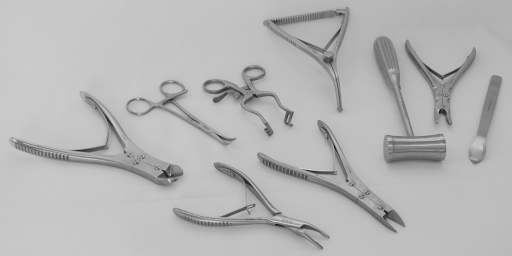
Every step a person takes, every movement they make, depends on the strength and stability of the musculoskeletal system. When injury, trauma, or degenerative conditions disrupt that balance, orthopedic surgery becomes more than a medical procedure, it becomes an opportunity to restore independence and improve quality of life. But exceptional surgical outcomes are not achieved by skill alone. They are made possible through the seamless combination of surgical expertise and precision-engineered tools.
Today, the instruments used in orthopedic surgery are designed to deliver superior accuracy, control, and reliability, allowing surgeons to perform increasingly complex procedures with confidence. As technology and manufacturing standards continue to advance, these innovative instruments are transforming modern healthcare by enhancing procedural efficiency, supporting minimally invasive techniques where applicable, reducing surgical challenges, and ultimately contributing to safer operations and better patient recovery.
The Growing Importance of Precision in Orthopedic Surgery
Table of Contents
Orthopedic surgery involves treating conditions affecting bones, joints, ligaments, tendons, and muscles. These procedures often require meticulous planning and precise execution, as even minor inaccuracies can influence long-term mobility and recovery. Modern orthopedic instruments are designed to provide surgeons with exceptional control during delicate procedures.
Whether performing spinal surgery, trauma repair, or joint replacement, high-quality instruments contribute to improved surgical consistency while reducing procedural challenges. As healthcare systems continue to prioritize minimally invasive techniques and faster patient recovery, the demand for precision-engineered orthopedic instruments has grown substantially.
From Conventional Tools to Advanced Surgical Solutions
Orthopedic instruments have evolved considerably over the years. Earlier surgical tools were often limited in functionality and ergonomics, making lengthy procedures more physically demanding for surgeons.
These innovations allow surgeons to work with greater confidence while maintaining high standards of patient care. Today, technological advancements have transformed instrument design through:
- Ergonomic handles that improve comfort and reduce hand fatigue.
- Precision-machined cutting edges for enhanced accuracy.
- Lightweight yet durable medical-grade stainless steel construction.
- Corrosion-resistant finishes for repeated sterilization.
- Improved locking mechanisms for greater stability.
- Advanced manufacturing processes that ensure dimensional consistency.
Enhancing Surgical Accuracy Through Better Instrument Design
Accuracy remains one of the most important factors in orthopedic surgery. Procedures involving bones and joints require instruments capable of delivering consistent performance under demanding clinical conditions. Modern manufacturing technologies such as CNC machining, precision forging, and advanced polishing techniques ensure every instrument meets strict quality standards.
High-performance forceps, bone holding clamps, osteotomes, retractors, rongeurs, and drill guides are engineered to provide reliable control throughout every stage of surgery. This attention to detail enables surgeons to perform complex orthopedic procedures with improved precision while minimizing unnecessary tissue trauma.
Why Material Quality Makes a Difference
The durability and reliability of orthopedic surgical instruments begin with the materials used during manufacturing. Premium medical-grade stainless steel remains the preferred choice because it offers exceptional strength, corrosion resistance, and long-term durability.
These characteristics help hospitals maximize their investment while ensuring dependable performance across numerous surgical procedures. High-quality materials provide several important benefits:
- Reliable structural integrity.
- Long-lasting sharpness.
- Smooth articulation.
- Resistance to repeated sterilization cycles.
- Reduced maintenance requirements.
- Consistent performance throughout the instrument’s lifespan.
Supporting Better Clinical Outcomes
The relationship between surgical instruments and patient outcomes is becoming increasingly evident. Precision instruments help surgeons achieve better alignment, cleaner cuts, and more controlled fixation during orthopedic procedures.
When combined with experienced surgical techniques, advanced instruments support better postoperative recovery and improved patient satisfaction. High-quality instruments used in orthopedic surgery contribute to:
- Improved surgical efficiency.
- Reduced operating time.
- Enhanced procedural consistency.
- Better implant positioning.
- Lower risk of instrument-related complications.
- Greater confidence for surgical teams.
Building Complete Orthopedic Instrument Solutions
Orthopedic procedures require a coordinated collection of specialized tools rather than individual instruments alone. Comprehensive instrument sets help streamline surgical workflows and improve operating room efficiency. Organized instrument sets reduce preparation time while ensuring surgeons have immediate access to the tools needed throughout the procedure.
These sets commonly include:
- Bone Holding Forceps: Securely grip and stabilize bone fragments during fracture reduction and fixation procedures.
- Reduction Forceps: Help align and maintain fractured bones in the correct position before permanent fixation.
- Bone Chisels: Used to cut, shape, or remove sections of bone with controlled precision during orthopedic surgeries.
- Osteotomes: Sharp-edged instruments designed to cut or reshape bone while preserving surrounding tissues.
- Bone Mallets: Provide controlled force to drive osteotomes, chisels, or impact orthopedic implants into place.
- Retractors: Hold back muscles and soft tissues to provide surgeons with a clear and unobstructed surgical field.
- Rongeurs: Specialized instruments used to bite, trim, or remove bone and other dense tissues with precision.
- Wire Cutters: Designed to cut orthopedic wires, pins, and cables cleanly during fixation and implant procedures.
- Drill Sleeves: Guide surgical drills accurately while protecting surrounding soft tissues from accidental damage.
- Screwdrivers: Enable the precise insertion and removal of orthopedic screws used in fracture fixation and implant placement.
- Plate Benders: Shape orthopedic plates to match the natural contours of the patient’s bone for an optimal fit.
- Depth Gauges: Measure the exact depth of drilled holes to ensure the selection of correctly sized orthopedic screws.
Meeting Global Quality Expectations
Healthcare providers increasingly expect orthopedic instrument manufacturers to comply with international quality standards. Precision manufacturing, rigorous quality inspections, and standardized production processes are now essential requirements.
Reliable manufacturers invest heavily in:
- Quality assurance systems
- Material traceability
- Precision engineering
- Dimensional accuracy testing
- Surface finishing inspections
- Performance validation
These practices help ensure consistent product quality while supporting hospitals, distributors, and procurement teams worldwide.
Innovation Driving the Future of Orthopedic Care
Orthopedic surgery continues to benefit from advances in medical technology. Navigation systems, robotic-assisted procedures, 3D planning software, and patient-specific surgical techniques are expanding treatment possibilities.
However, regardless of technological progress, surgical instruments remain the foundation of every successful orthopedic procedure. Reliable hand instruments continue to provide surgeons with the tactile precision required for complex clinical situations.
As innovation continues, manufacturers are focusing on improving ergonomics, reducing instrument weight, enhancing durability, and developing specialized solutions that meet evolving healthcare demands.
Conclusion
Advanced orthopedic surgical instruments continue to transform modern healthcare by improving precision, supporting surgical efficiency, and contributing to better patient outcomes. As orthopedic procedures become increasingly sophisticated, healthcare providers must prioritize quality, durability, and manufacturing excellence when selecting their surgical equipment. Many hospitals and procurement teams now review a comprehensive orthopedic instruments list to identify standardized, high-performance solutions that support safe, efficient, and reliable orthopedic care.
This commitment to excellence is reflected in manufacturers dedicated to serving global healthcare markets. Salwan Surgicare offers a comprehensive range of orthopedic surgical instruments and OT instrument sets designed for bone, joint, and trauma procedures. They manufacture precision-engineered, medical-grade stainless steel instruments that combine durability, corrosion resistance, and consistent performance, helping hospitals, distributors, and surgical teams achieve dependable clinical outcomes with confidence.

