
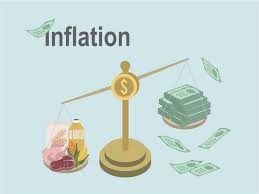
Inflation is an undeniable factor in every economy, influencing the purchasing power of money and the ultimate success of investments. For investors seeking a good rate of return on investments, inflation poses both an obstacle and a key consideration. In simple terms, inflation erodes wealth – meaning that if the rate of inflation is higher than your investment returns, your real purchasing power diminishes. In the context of the Indian financial market, asset growth should not merely aim to outpace inflation but should strategically consider its lingering effects over time. This article delves into how inflation impacts your quest for a good rate of return on investments, employing practical examples and calculations.
Inflation and the Concept of Real Returns
Table of Contents
A good rate of return on investments must account for real returns rather than nominal returns. Nominal returns refer to the returns an investment generates before adjusting for inflation, whereas real returns are inflation-adjusted figures that reflect the actual increase in purchasing power.
For example, let’s assume you invest INR 10,00,000 and earn nominal returns of 9% annually. This equates to earning INR 90,000 in a year. However, if India’s annual inflation rate stands at 6%, your real rate of return will be:
Real Return = Nominal Return – Inflation Rate
Real Return = 9% – 6% = 3%
Thus, while your investment appears profitable based on the nominal return, the real purchasing power has expanded only by 3%, not 9%. This small margin may present challenges if inflation outpaces expected nominal returns in the long run and can even lead to a loss in purchasing power depending on the appreciation of household expenses.
Inflation’s Impact Across Investment Avenues
Inflation impacts different investment types in varying ways. For equity investments, systematic investment plans (SIPs), fixed deposits, bonds, and other avenues, inflation alters the overall yield and effectiveness.
1.Systematic Investment Plans (SIP):
SIPs have emerged as a popular tool for small and long-term investments, allowing investors to contribute regularly into mutual funds to build wealth gradually. However, because equity markets tend to outperform inflation in the long run, SIP investors often rely on consistent portfolio growth to claim inflation-adjusted returns. Let’s use a SIP example below:
– Monthly investment: INR 5,000
– Annual Expected Return: 12%
– Tenure: 10 years
Using the formula for SIP maturity, the expected corpus generated would be around INR 11,61,695. This nominal amount appears sizable, but factoring in inflation at an average rate of 6%, the inflation-adjusted corpus would be:
Real corpus = Nominal corpus / (1 + Inflation rate)
Real corpus = 11,61,695 / (1.06)^10 = INR 6,51,356 (approximately)
Hence, inflation reduces the real impact of the SIP’s growth – a prudent reminder for investors to evaluate inflation-adjusted projections when planning investments.
2. Fixed Deposits:
Fixed deposits offer guaranteed returns, typically ranging between 5–7% annually in India. However, if inflation rates hover close to or above fixed deposit interest rates — for instance, 5.5% inflation against a 6% return — the real return diminishes disproportionately after tax deductions. Many investors lose out on inflation-adjusted growth here, especially over a long tenure.
3. Equity Investments:
Equities are known for their potential to outperform inflation in the long term due to the growth of underlying businesses. However, short-term equity performance might be volatile, and inflation-driven input costs could impact corporate profitability, affecting stock prices.
4. Bonds and Debt Funds:
Inflation sharply influences bond yields. Rising inflation typically leads to increased interest rates, reducing the value and appeal of fixed-income bonds. Real returns on bonds contracted during inflationary cycles might result in wealth erosion unless complemented by instruments that hedge against inflation.
Inflation’s Ripple Effect on Indian Market Investments
The Indian financial market operates in an emerging economy that has historically grappled with fluctuating inflation rates. Inflation impacts interest rates, consumer prices, and the cost of financial products, directly altering the rate of return on investments. For example:
– If inflation rates rise from 4% to 7%, financial instruments tied to fixed incomes, such as bonds or deposits, could witness diminishing real yields.
– Equity investments might temporarily falter due to increased input costs for companies, while real estate values adjust inconsistently to inflationary forces.
Vigilance is imperative for all investors seeking a good rate of return in the Indian market. They must evaluate opportunities to hedge against inflation using instruments such as inflation-linked bonds or a diversified portfolio that balances equity, debt, and alternative assets.
Why Higher Inflation Rates Demand Higher Returns
For any investor striving for a good rate of return on investments, inflation signifies the ongoing challenge of surpassing annual price rises. Consider the following illustration:
– Initial Corpus: INR 15,00,000
– Nominal Return: 10% annually
– Inflation Rate: 7% annually
Nominal growth equals INR 1,50,000 annually, bringing the corpus to INR 16,50,000 after one year. Adjusting for inflation:
Real Return = INR 16,50,000 / (1 + 0.07) = INR 15,42,056
In this case, effective purchasing power growth stands at only INR 42,056 over one year after factoring in inflation. Over extended investment periods, compounded inflation can whittle away total returns unless protected by higher growth avenues.
Conclusion
Inflation plays a crucial role in shaping the real returns on investments, presenting direct challenges to those aiming to achieve financial goals in the Indian market. Whether through equity investments, fixed deposits, SIPs, or bonds, inflation requires thoughtful planning and calculation to ensure robust returns without losing purchasing power. Every investor must account for inflation in their financial choices, using strategic diversification, informed tools, and up-to-date market analysis.
Summary
Inflation significantly impacts the good rate of return on investments by eroding wealth and diminishing real purchasing power. For investors in India, achieving robust returns requires factoring in inflation rates alongside nominal yields. Through practical examples involving SIPs, fixed deposits, and equities, this article has demonstrated how inflation influences different asset types, highlighting the importance of evaluating real returns over nominal returns. While SIPs promise long-term compounding benefits, inflation could substantially reduce their real impact. Similarly, fixed deposits and bonds face a loss of appeal during inflationary cycles. Ultimately, inflation-adjusted returns remain the cornerstone for all financial planning and investment evaluations.
Disclaimer: This article is for educational purposes only and does not constitute financial advice. Investors are advised to perform due diligence and evaluate risks before engaging in the Indian financial market.

