
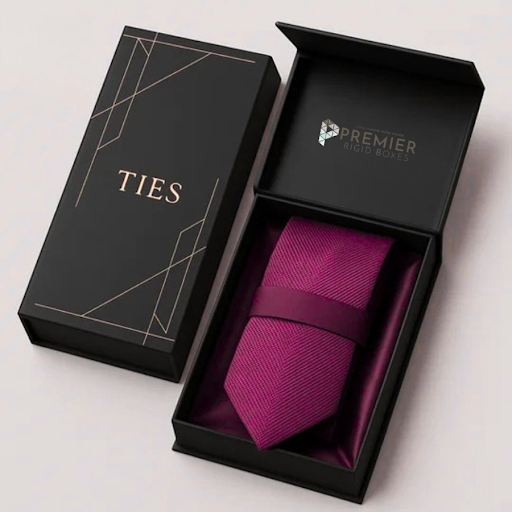
A silk tie is a delicate product. It is cut on the bias, lined with interlining, and held together by a few hand-sewn stitches. When it is folded badly or stored in the wrong package, the damage is quiet but permanent: creases that never fully relax, a twisted blade, a warped knot area, or fabric that fades and yellows over time.
Packaging is the first line of defense. For brands, retailers, and gift sellers in the US, the right design keeps ties looking new from the warehouse to the closet. This guide explains how packaging affects folding, what protects fabric over the long term, and how to choose a package that does both.
Why Folding Matters for Ties
Table of Contents
Unlike a shirt or a scarf, a tie has a shaped structure. The wide blade, the narrow tail, and the interlining inside all react to pressure and bending. A fold in the wrong place leaves a crease line that can show every time the tie is worn.
Poor folding causes several problems:
- Hard creases at the center of the blade, where the fabric is most visible.
- Twisting, which pulls the seam off center and distorts the shape.
- Crushed interlining, which makes the tie look flat and lifeless.
- Flattened texture on woven silks, grenadines, and knits.
A well-designed package guides the tie into a gentle, consistent fold so these problems never start.
How Packaging Design Shapes the Fold
The size and shape of a box decide how a tie sits inside it. Three design factors matter most.
Interior length and width. Most ties measure 57 to 60 inches long, and standard width runs about 3 to 3.5 inches. Packaging for a tie is usually built for a folded or rolled tie, so the interior should match that folded footprint without forcing tight bends. If the box is too small, the fabric bunches. If it is too large, the tie slides and wrinkles.
Depth. A tie needs room to rest without being squeezed. A box that is too shallow presses down on the fabric and flattens the blade. Depth should allow a soft cushion of tissue or an insert without compression.
Fold pattern. The most common approach is a three-fold or a gentle S-fold with the narrow end tucked behind the blade. Some brands prefer a loose roll for very fine silks, which avoids a hard crease. Your box should be sized for whichever method you use, and your team should fold the same way every time.
Inserts and Supports That Protect Shape
Inside the box, small details make a large difference.
- Tie boards or paperboard forms: A flat board keeps the tie straight and prevents bending at the wrong spot.
- Acid-free tissue: Regular tissue can contain acids that, over years, may discolor silk. Acid-free tissue is a safer choice for long-term storage.
- Foam or pulp cradles: Shaped trays hold the tie in place and prevent shifting during shipping.
- Ribbon or paper bands: A loose band keeps the fold together without cutting into the fabric. Avoid tight elastic or rubber bands.
- Dividers for multi-tie sets: A thin card between ties prevents dye transfer and rubbing.
Packaging Materials and Fabric Preservation
Over months and years, the packaging material itself can affect the tie.
Acid-free and lignin-free paperboard. Standard paper can slowly release acids that yellow or weaken natural fibers. For premium ties meant to be kept for years, acid-free materials are a smart upgrade.
Moisture control. Silk and wool absorb humidity. A damp environment can cause mildew, odor, and water spots. Choose breathable materials like paperboard or cotton-lined boxes instead of sealed plastic, which can trap moisture.
Light protection. Sunlight and strong store lighting fade dyes, especially deep reds, blues, and purples. A solid box, or a window box with UV-filtering film, shields the tie better than clear packaging.
Avoiding plastic contact. Some plastics can transfer chemicals or cause fabric to stick when heat is present. A tissue layer between the tie and any plastic keeps the surface safe.
Dust and pests. A closed box with a tight lid keeps out dust. For long-term storage, cedar sachets or lavender can discourage moths, as long as they do not touch the fabric directly.
Box Styles for Ties: A Quick Comparison
| Box Style | Protection | Presentation | Best For |
| Rigid gift box | High | Premium, keepsake | Luxury ties, gift sets |
| Magnetic closure box | High | Polished, giftable | Holiday and wedding collections |
| Folding carton | Medium | Clean, economical | Retail shelves, high volume |
| Window box | Medium | Product-forward | In-store display |
| Slide drawer box | High | Elegant reveal | Single ties, premium lines |
| Kraft eco box | Medium | Natural, minimal | Sustainable brands |
Customization That Does More Than Look Good
Branding is part of the package, but it should never come at the cost of protection. When you plan a tie box with custom printing, a few choices keep the design attractive and fabric-safe:
- Choose water-based or soy-based inks. They tend to have less odor and lower risk of transfer onto fabric.
- Print the inside carefully. Dark interior prints can rub off on light silks, so test before committing.
- Add folding instructions. A small card showing how to refold and store the tie extends its life and shows customers you care about quality.
- Include care details. A short note on spot cleaning, steaming, and hanging helps buyers protect their purchase.
- Use finishes wisely. Soft-touch coatings and foil stamping look premium, but make sure they are fully cured so they do not stick to tissue or fabric.
Retail and E-Commerce Considerations
Retail stores. Shelf boxes should keep ties flat and stackable, with a clear front panel showing brand, color, and material. A window can help shoppers see the pattern without handling the tie, which reduces wear from touching.
E-commerce. Shipping adds stress. Use a snug box with a tissue wrap, and place it inside a right-sized mailer so it does not crush. Flat, slim boxes can reduce dimensional weight costs with carriers like UPS and FedEx.
Gifting. Ties are popular gifts for Father’s Day, weddings, graduations, and the winter holidays. Gift-ready packaging with a ribbon or magnetic lid saves buyers time and raises perceived value.
Tips for Long-Term Tie Storage
Customers will keep their ties for years, so a short storage guide inside the box is a useful extra:
- Store ties flat, loosely rolled, or hung from a tie rack, not knotted.
- Untie the knot after each wear and let the tie rest overnight.
- Keep ties away from direct sunlight and heat.
- Avoid overcrowding drawers, which compresses fabric.
- Do not store ties in dry-cleaning plastic for long periods.
Common Packaging Mistakes to Avoid
- Folding ties too tightly to fit a small box
- Using rubber bands or tight elastic
- Skipping tissue between the tie and the box
- Choosing materials with no regard to moisture or light
- Printing dark inks inside the box without testing for rub-off
- Ignoring how the tie will be stored after the first use
Final Thoughts
A tie is only as good as the way it is folded and stored. Packaging that guides a gentle fold, supports the shape, and protects against light, moisture, and acids helps the fabric last for years rather than months. For brands, that means fewer returns and happier customers. For buyers, it means a tie that looks as good on the tenth wear as on the first.
Start by measuring your folded tie, choose a box with the right depth and materials, and request samples to test the fit. Good packaging is a small investment that protects the fabric, supports your brand, and shows customers that quality extends to every detail.

