
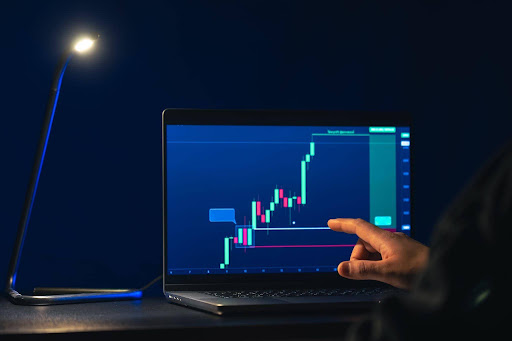
Intraday trading in the National Stock Exchange requires more than simply identifying a stock that appears ready to move. Prices can change rapidly because of news, volume, market sentiment, economic indicators, sector performance, and global cues. NSE Intraday Trading therefore requires a structured approach that combines market observation, technical analysis, execution discipline, and risk management. Understanding these factors can help traders make more informed decisions while navigating short-term market movements.
Understand the Nature of Intraday Market Movements
Table of Contents
Intraday markets can behave very differently from long-term investment markets. A stock may open strongly and reverse within minutes, while another may remain range-bound throughout the session. These movements are influenced by buying and selling pressure, institutional activity, news announcements, liquidity, and broader market sentiment.
Before entering a position, traders should understand whether the market is trending, consolidating, or experiencing unusually high volatility. This initial assessment can help determine whether a particular trading setup is suitable for short-term participation.
1. Study Market Trends Before Taking a Position
Market direction provides important context for individual trades. Traders can begin by examining major indices and observing whether the broader market is showing bullish, bearish, or sideways behaviour.
A rising index does not mean every stock will increase, just as a declining index does not guarantee that every stock will fall. However, the broader trend can provide useful context when evaluating individual opportunities.
Consider factors such as:
- Opening direction
- Previous-session high and low
- Support and resistance levels
- Sector performance
- Market breadth
- Volume activity
Combining these observations can provide a clearer picture of the market environment before a trade is initiated.
2. Pay Attention to Trading Volume
Volume is one of the most useful indicators for understanding the strength behind a price movement. A price increase accompanied by strong volume may indicate greater participation, while a price movement on weak volume may require additional confirmation.
Traders can compare current volume with recent average volume to identify unusual activity. Sudden increases may occur around important announcements, breakouts, or changes in market sentiment.
However, volume should not be treated as an isolated signal. It becomes more useful when considered alongside price action, support and resistance, and other technical indicators.
3. Analyse Price Action and Technical Levels
Technical analysis can help traders identify potential entry and exit areas. Instead of relying on a single indicator, traders can examine price patterns and important levels that have influenced previous market behaviour.
Common areas to monitor include:
Support Levels
Support represents a price area where buying interest may emerge. If the price approaches this area and responds positively, traders may watch for confirmation before considering a position.
Resistance Levels
Resistance represents an area where selling pressure may increase. A sustained move above resistance with supporting volume can provide information about changing market momentum.
Breakouts and Breakdowns
Breakouts occur when prices move beyond established resistance, while breakdowns occur when prices fall below support. Traders should be cautious of false breakouts and wait for suitable confirmation rather than entering solely because a level has been crossed.
4. Monitor Volatility Carefully
Volatility creates opportunities, but it also increases risk. During highly active sessions, prices can move quickly, making poorly planned entries particularly vulnerable.
Traders should understand the expected price range of the instrument and adjust position sizes accordingly. A volatile stock may require a different risk approach from a relatively stable one.
News events, corporate announcements, economic releases, and global market movements can also produce sudden price changes. Keeping an economic and market calendar in view can help traders prepare for periods when volatility may increase.
5. Consider the Opening Market Behaviour
The first part of the trading session often attracts significant attention because overnight developments are reflected in opening prices. Global market movements, company announcements, and institutional activity can contribute to gaps between the previous close and current opening price.
Rather than immediately reacting to the opening move, traders can observe the initial price action and determine whether momentum is continuing or reversing.
6. Use Stop Losses and Define Risk Before Entry
Risk management is central to short-term trading. A trade should have a defined risk level before the order is placed.
A stop loss can help limit potential losses if the market moves against the intended position. Traders should also determine the amount of capital they are willing to risk on an individual trade instead of allowing losses to expand based on emotion.
Position sizing is equally important. Taking a smaller position during highly volatile conditions can help keep potential losses within a predetermined risk limit.
7. Select the Right Trading Platform
Execution quality can become particularly important when markets are moving quickly. Delayed information, complicated order placement, or limited visibility into positions can make short-term trading more difficult.
When evaluating a platform, traders should consider:
- Real-time market data
- Order execution
- Available order types
- Position and margin visibility
- Trade confirmations
- Charting functionality
- Account security
- Mobile and desktop accessibility
Traders can access NSE equities, derivatives, commodities, currencies, real-time data, charting tools, order placement, risk controls, and trade history.
8. Review Brokerage Costs and Trading Expenses
Frequent trading means costs can accumulate quickly. Brokerage, exchange-related charges, taxes, and other applicable fees can influence the overall result of an intraday strategy.
Before deciding to Open an NSE Trading Account, traders should review the applicable fee structure and understand how charges affect different order sizes and trading frequencies.
A strategy that appears profitable before transaction costs may produce a different result after all expenses are considered. Keeping accurate records of charges can therefore improve performance analysis.
Conclusion
Successful NSE Intraday Trading is built around preparation rather than impulsive reactions. Market direction, volume, price action, volatility, opening behaviour, execution, costs, risk controls, and emotional discipline all influence short-term trading decisions. By evaluating these factors systematically and reviewing performance regularly, traders can develop a more structured approach to navigating changing market conditions.
With a focus on accessible trading and practical market tools, Flow FX provides multi-asset trading access across NSE equities, derivatives, MCX commodities, NCDEX agricultural commodities, and NSE currency derivatives. Its services include web, Android, iOS, and desktop platforms, real-time pricing, charting, order execution, margin visibility, risk controls, demo accounts, and execution history. The platform focuses on transparent pricing, market connectivity, and structured trading workflows for different market participants.

