
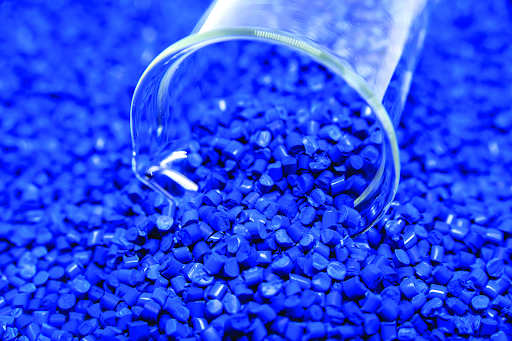
Polyoxymethylene, commonly known as POM or acetal, is one of the most dimensionally stable engineering plastics available. It is widely used in precision parts where tight tolerances and low friction are essential. POM Masterbatch allows manufacturers to add color and functionality to POM parts without compromising its outstanding mechanical properties. Here is a complete guide to POM masterbatch and how to find the right masterbatch company to supply it.
What Is POM Masterbatch?
Table of Contents
POM masterbatch is a concentrated blend of pigments and additives specifically formulated for use with polyoxymethylene resins. POM is a challenging material to color because of its high processing temperatures and sensitivity to acidic or basic compounds that can cause degradation.
A well-formulated POM masterbatch uses pigments that are stable above 210 degrees Celsius and a carrier resin fully compatible with POM chemistry.
Why POM Is Tricky to Color
- POM degrades rapidly in the presence of acid or base, producing formaldehyde gas
- Processing temperatures are high, typically 190 to 230 degrees Celsius
- Many common pigments are not thermally stable at these temperatures
- The slightest contamination can cause severe discoloration or degradation
- POM has very low moisture absorption, so drying is less critical but cleanliness is essential
Key Applications of POM and POM Masterbatch
- Precision gears and mechanical components
- Automotive interior and under-the-hood parts
- Electrical switches, connectors, and housings
- Plumbing fixtures and valve components
- Sporting goods and consumer electronics
- Medical devices and laboratory equipment
| Application | Why POM Is Used | Masterbatch Requirement | Key Additive |
| Precision Gears | Low friction, high stiffness | Heat-stable color MB | Lubricant additive |
| Automotive Parts | Dimensional stability | UV-stable color MB | UV stabilizer |
| Electrical Parts | Low flammability, precision | Flame retardant MB | FR additive |
| Plumbing Fittings | Chemical resistance | Color + stabilizer MB | Thermal stabilizer |
| Medical Devices | Biocompatibility | Medical-grade MB | FDA-compliant pigments |
How to Choose a Masterbatch Company for POM Applications
- Confirm they have specific experience formulating for POM resins
- Ask for pH neutrality of their pigment formulations to prevent POM degradation
- Request thermal stability data at 220 degrees Celsius minimum
- Ensure they can supply in small batch sizes for initial trials
- Look for a masterbatch company with a track record in engineering plastics
Common Mistakes When Using POM Masterbatch
- Using masterbatches formulated for polyolefins with POM, which can cause degradation
- Ignoring the acidity of pigments, which can trigger formaldehyde generation
- Not purging the machine thoroughly before and after processing POM
- Exceeding the recommended processing temperature, which accelerates degradation
- Using recycled or contaminated POM with masterbatch without thorough testing
Best Practices for POM Masterbatch Processing
- Use only masterbatches specifically designed for POM resins
- Keep processing temperatures at the low end of the recommended range
- Purge the machine thoroughly when switching to or from POM
- Ensure the processing area is well ventilated due to formaldehyde risk during degradation
- Use the minimum effective dosage, typically 1% to 3%, to minimize any interference
Frequently Asked Questions
1. Why does POM sometimes produce a strong smell during processing?
The smell is formaldehyde generated by POM degradation, usually caused by excessive temperature, acidic contaminants, or prolonged residence time. Address this immediately.
2. Can POM masterbatch be used for food-contact POM parts?
Yes, but only with masterbatches that use FDA or EU food-contact-compliant pigments. Confirm this with your masterbatch company before use.
3. What is the typical let-down ratio for POM masterbatch?
Most POM masterbatches are used at 1% to 3% loading. Higher loadings may affect flow properties.
4. Can POM be recycled with masterbatch content?
POM is recyclable, but ensure that the masterbatch components do not contain materials that interfere with recycling compliance standards in your market.
5. How do I prevent color variation between batches?
Use a consistent let-down ratio, stable processing conditions, and a reliable masterbatch company that maintains tight quality controls on each production batch.
Conclusion
POM masterbatch is a technically demanding product that requires a masterbatch company with deep experience in engineering plastics. When done right, it enables beautiful, consistent coloring of POM parts without compromising their outstanding mechanical performance.
Reach out to a trusted masterbatch company today to discuss your POM coloring needs and get a technically sound, thermally stable masterbatch formulated specifically for your POM grade.

