
Creating a comfortable home does not always require a complete renovation or a large furniture budget. Often, the biggest improvements come from choosing pieces that suit your available space, support everyday activities, and contribute to a consistent interior style. Whether you live in a compact apartment or a spacious family home, thoughtful furniture choices can make rooms feel more organised, practical, and inviting.
Living rooms and dining areas benefit particularly from furniture that serves a clear purpose without making the space feel crowded. A carefully selected small coffee table can provide a convenient surface in a compact seating area, while a larger design may suit a room with generous floor space and multiple seats. In dining areas, adaptable furniture can also make it easier to accommodate everyday meals, family gatherings, and occasional guests.
The key is to understand your space before making a purchase. By considering room dimensions, household routines, storage needs, and furniture proportions, you can create an interior that feels balanced and remains useful as your lifestyle changes.
Make Compact Living Spaces Work Harder
Table of Contents
Smaller rooms require furniture that provides practical value without obstructing movement. Oversized pieces can make a room feel cramped, while carefully proportioned furniture helps maintain an open and comfortable layout.
Start by measuring the available floor space and identifying the main walking routes. Consider where people will sit, how they will move through the room, and which surfaces they need for everyday items. Keeping these practical requirements in mind makes it easier to select furniture that fits naturally into the layout.
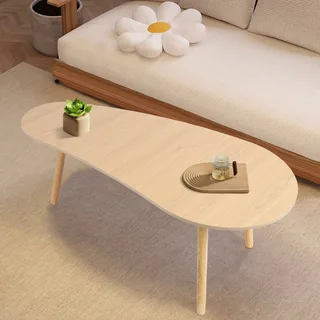
A small coffee table can be particularly useful in a compact living room. It provides space for drinks, books, and remote controls without occupying as much floor area as a substantial centre table. Designs with open legs or a simple silhouette may also help preserve a sense of visual openness.
Think about the table’s height and distance from the sofa before choosing a design. A surface that is easy to reach improves comfort, while sufficient clearance around the table makes walking through the room easier. If storage is important, consider a design with a lower shelf or an additional compartment.
Choose the Right Coffee Table for Your Lifestyle
Coffee tables often become central to everyday living. They hold drinks during relaxed evenings, provide space for books and decorative accessories, and help connect different pieces of seating.
The right size depends on the room’s layout and how you intend to use the table. A compact option may be ideal for a smaller sofa or an apartment living area. In contrast, a large coffee table can provide a more substantial surface for a spacious lounge with several seats.
Before purchasing, compare the table’s dimensions with those of your sofa and other furniture. A table that is too low, too high, or disproportionately wide may make the seating arrangement less comfortable. The goal is to create a natural relationship between the table and the surrounding furniture.
Material choice matters, too. Wood finishes can introduce warmth, glass can create a lighter visual effect, and darker surfaces may add contrast to a neutral room. Choose a finish that complements your existing furniture rather than competing with it.
Use Furniture to Create a Balanced Living Room
A well-arranged living room should feel comfortable rather than crowded. Furniture placement, colour coordination, and suitable proportions all contribute to the final result.
Begin with the largest pieces, such as the sofa and television cabinet. Position them to support comfortable conversation and viewing, then add smaller items where they provide genuine value. This approach prevents the room from becoming overloaded with furniture that serves little purpose.
When space allows, a large coffee table can anchor the seating area and provide a shared surface for family activities or entertaining guests. However, it should not block access to the sofa or create awkward walking routes. In a smaller room, a more compact design may deliver better functionality.
Colour coordination can make the arrangement feel more cohesive. Neutral furniture offers flexibility, while carefully selected accent colours introduce personality. Combining different textures, such as upholstered seating, wooden surfaces, and woven accessories, can also add depth without requiring excessive decoration.
Make Dining Areas More Adaptable
Dining furniture should reflect how the household uses the space. Some homes need a permanent dining arrangement for daily family meals, while others require furniture that can accommodate visitors occasionally.
A foldable dining table can be useful when a room serves several purposes. It provides a practical eating surface when needed and can be folded away or reduced in size, depending on the design, to create more usable space. This flexibility may be especially helpful in studio apartments, smaller homes, or multifunctional kitchens.
Before choosing one, check the table’s dimensions in both its expanded and folded configurations. Make sure there is sufficient clearance for chairs and that the table can be positioned without blocking doors, cupboards, or main walkways.
Stability and ease of operation should also influence your decision. Look for a design that feels secure when open and can be handled comfortably. Consider the tabletop material, the quality of the folding mechanism, and the amount of maintenance required.
Consider Comfort and Practicality Together
Furniture should look attractive, but it must also work well in everyday situations. A beautiful item may become inconvenient if it is difficult to clean, unsuitable for the room, or unable to support your household’s regular activities.
Think about who will use the furniture and how frequently it will be used. Homes with children may benefit from durable surfaces and rounded edges. Busy households may prefer finishes that are easy to wipe clean, while smaller homes may require furniture that can be moved or stored conveniently.
A foldable dining table can help create a flexible dining area, but its usefulness depends on how easily it fits into your routine. If it will be opened and closed regularly, ensure that the mechanism is convenient and that there is a suitable place to store or position it when not in use.
Similarly, the best coffee table is one that suits your seating arrangement and daily habits. Practicality should guide the decision just as much as appearance.
Keep Storage and Organisation in Mind
An organised home often feels more spacious because frequently used items have designated places. Furniture can support this goal by providing accessible storage and reducing clutter on floors and surfaces.
Choose storage solutions according to the items you need to keep nearby. Shelves can hold books and decorative objects, while drawers help conceal smaller accessories. In dining areas, storage furniture can keep tableware, placemats, and serving items within easy reach.
Avoid filling every available surface with decorations. Leaving some space clear makes cleaning easier and gives individual furniture pieces room to stand out.
In compact rooms, multi-functional designs can be especially valuable. Furniture that provides more than one useful function may reduce the need for additional pieces, helping preserve space and maintain a cleaner appearance.
Plan Your Purchases Before You Buy
Before purchasing furniture, measure the room and check the product specifications carefully. Record the available dimensions, consider the furniture’s intended position, and confirm that it will fit through doorways and stairways during delivery.
Review material information, assembly instructions, care requirements, and storage features. These details can help you understand the practical benefits and limitations of each design.
It is also worth considering how a piece will work with future changes to your interior. Simple colours, versatile shapes, and durable materials can make it easier to update the room without replacing every item.
A small coffee table may be suitable for a compact seating area today, while a large coffee table might better serve a larger room or a different furniture arrangement. Likewise, a foldable dining table can offer flexibility when the available space must accommodate different activities. Choosing according to your actual needs helps ensure that each purchase contributes to a more functional home.
Conclusion
A comfortable home depends on more than attractive furniture. Good choices should support everyday routines, suit the available space, and create a consistent appearance throughout the interior. By measuring rooms carefully, considering practical requirements, and selecting furniture with suitable proportions, you can make your living and dining areas more useful without overcrowding them.
Focus on versatility, durability, and ease of use when comparing different designs. Small changes to furniture selection and placement can make a meaningful difference to how a room feels and functions.
Cozy Furniture Direct offers furniture options for people looking to improve their living spaces with practical and stylish choices. With a clear plan and attention to everyday needs, you can create a home that feels organised, welcoming, and adaptable.

