
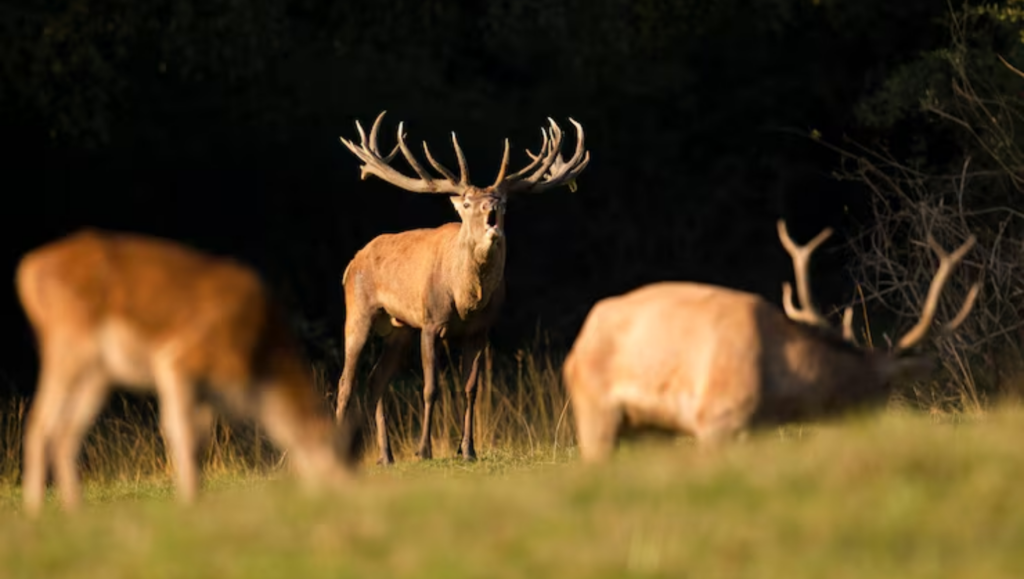
Wildlife photography offers a remarkable opportunity to connect with nature, capture its beauty, and raise awareness about the importance of conservation. However, it also carries significant responsibilities.
As photographers, how we approach our subjects can deeply impact wildlife and their habitats. Practicing ethical wild photography photos ensures we respect the natural world while still creating stunning images. Here’s why ethics matter and how you can be a responsible wildlife photographer.
Why Ethics Matter in Wildlife Photography
Table of Contents
Wildlife photography is not just about snapping beautiful images — it’s about telling a story that honors the lives and environments of the creatures we photograph. Unethical practices can disturb animals, disrupt behaviours, damage habitats, and ultimately harm the very wildlife we cherish.
Animals in the wild rely on natural behaviours for survival—feeding, mating, nurturing young, and avoiding predators. When photographers interfere—whether by getting too close, using flash, or altering the environment—the consequences can be stressful or even deadly for wildlife.
Ethical photography protects these animals and promotes conservation by fostering respect and understanding in the viewers of your work. Your images can inspire protection, but only if they are captured responsibly.
Guidelines for Ethical Wildlife Photography
1. Keep a Respectful Distance
One of the simplest yet most crucial rules is to maintain a safe and respectful distance from your subjects. Use telephoto lenses to photograph animals without intruding on their space.
Getting too close can cause animals to flee, expose them to predators, or interrupt feeding and mating rituals. Always observe wildlife without disturbing them.
2. Avoid Nesting or Breeding Areas
Wildlife is most vulnerable during breeding and nesting periods. Avoid photographing in these sensitive areas unless you have explicit permission and guidance from wildlife experts.
Disturbance during this time can cause animals to abandon nests or young, risking survival. Ethical photographers respect these boundaries to protect future generations.
3. Do Not Feed or Bait Wildlife
Feeding or baiting animals to get better shots disrupts their natural behaviours and diets. It can make animals dependent on humans, cause aggressive behaviour, and expose them to dangers.
Ethical photography relies on patience and skill to capture animals in their natural state, not manipulated settings.
4. Use Natural Light and Avoid Flash
Flash photography can startle or disorient animals, particularly nocturnal species. Use natural light whenever possible and only use artificial lighting when it’s safe and doesn’t cause distress.
Patience and timing can help you work with available light to create stunning images without harming your subjects.
5. Stay on Established Trails and Minimise Impact
Respect the habitat by staying on designated trails and avoiding trampling vegetation or disturbing the environment. Wild habitats are fragile and can take years to recover from damage.
Minimizing your footprint helps preserve these natural spaces for both wildlife and future photographers.
6. Be Patient and Observe
Ethical wildlife photography requires patience. Spend time observing animals from a distance to understand their behaviours before attempting close-up shots.
This respect often leads to more authentic and captivating images that truly reflect the lives of your subjects.
The Role of Education and Awareness
Photographers have the power to educate and influence public attitudes toward wildlife and conservation. Ethical photography sends a message of respect and responsibility, encouraging others to appreciate wildlife without causing harm.
Many photography tours, like those by Trogon Photo Tours, emphasize ethics and conservation as a core part of the experience, teaching participants how to interact responsibly with nature while honing their photographic skills.
Why Ethical Photography Benefits You as a Photographer
Besides protecting wildlife, ethical photography enhances your work. Animals that are undisturbed exhibit natural behaviours, leading to more dynamic, truthful images.
Furthermore, respecting rules and guidelines opens doors to exclusive locations and permits that are often off-limits to those who disregard ethical practices.
Building a reputation as a responsible wildlife photographer also connects you with a community of like-minded individuals, leading to collaborations and opportunities focused on conservation and sustainability.
Final Thoughts
Wildlife photography is a privilege that comes with responsibility. By practicing ethical photography, you help protect the natural world and contribute to a positive legacy for future generations. Remember that every image you capture has the power to inspire—make sure it inspires respect.

