
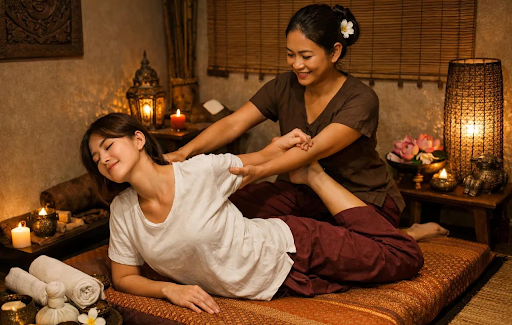
Modern lifestyles often leave people dealing with physical fatigue, muscle stiffness, and everyday stress. As wellness becomes an increasingly important part of self-care, professional massage therapies offer an opportunity to relax and restore physical comfort. Among the different options available, a body massage Thai spa experience stands out for its distinctive combination of assisted stretching, rhythmic pressure, and traditional wellness techniques. Unlike conventional spa therapies that primarily focus on soothing muscles through repetitive strokes, traditional Thai massage incorporates controlled movements designed to encourage flexibility and relaxation.
Although both approaches aim to improve comfort and promote well-being, their techniques, treatment experiences, and underlying philosophies differ considerably. Understanding these differences can help individuals select a therapy that suits their personal preferences, physical requirements, and relaxation goals.
1. Understanding the Foundations of Traditional Thai Massage
Table of Contents
Traditional Thai massage has a long history rooted in Thailand’s wellness traditions. It combines elements of acupressure, assisted stretching, rhythmic compression, and controlled body movements. Rather than focusing exclusively on relaxing individual muscle groups, this approach considers the relationship between movement, flexibility, and overall physical balance.
During a traditional session, therapists apply pressure to selected areas using their hands, thumbs, elbows, and sometimes other parts of the body. They may also guide clients through gentle stretching positions that resemble certain yoga movements.
The objective is to create a balanced experience that combines physical relaxation with improved freedom of movement. This makes the approach particularly interesting for individuals who experience stiffness after prolonged sitting, regular exercise, or physically demanding routines.
2. How Conventional Spa Therapies Approach Relaxation
Conventional spa therapies generally emphasize muscle relaxation, stress management, and sensory comfort. Depending on the selected technique, treatments may involve gentle strokes, kneading, gliding movements, or targeted pressure.
For example, Swedish massage commonly uses long, flowing strokes and kneading movements to encourage relaxation. Deep tissue massage applies more focused pressure to deeper layers of muscle and connective tissue, making it suitable for certain areas of persistent muscular tightness.
Oil-based massage therapies also incorporate aromatic products to create a soothing experience. The combination of gentle movements, comfortable surroundings, and carefully selected oils can help clients disconnect from everyday pressures.
Unlike traditional Thai techniques, many conventional massage approaches are performed on a treatment table, with the client lying down while the therapist works on specific muscle groups.
3. The Key Differences in Techniques and Treatment Experience
One of the most noticeable differences between these approaches is how therapists interact with the body throughout a session.
Traditional Thai massage involves a more movement-oriented experience. Clients generally remain clothed in comfortable, loose-fitting attire, allowing therapists to perform assisted stretches and controlled movements. The therapist uses rhythmic pressure and positioning techniques to work on different areas of the body.
Conventional spa massages, on the other hand, frequently involve direct contact with the skin and may use massage oils or lotions. The therapist generally works through a series of strokes and pressure techniques while the client remains relaxed on a massage table.
Another distinction is the level of physical participation. Thai massage may require clients to change positions and follow guided movements, whereas conventional relaxation massages usually involve less active participation.
Neither approach is universally better. The right choice depends on whether someone prefers a movement-focused experience or a more passive form of relaxation.
4. Flexibility, Muscle Comfort, and Everyday Wellness
Different massage techniques can support different wellness preferences. Traditional Thai massage is particularly recognised for incorporating assisted stretching and rhythmic compression, which may help ease muscular tightness and support flexibility.
For people who spend extended periods working at desks, limited movement throughout the day can contribute to stiffness around the shoulders, back, and legs. Gentle stretching techniques may help improve the feeling of mobility and physical comfort.
A professional Thai massage treatment also offers an opportunity to combine relaxation with guided body movements. However, the intensity should always be appropriate for the individual’s comfort and physical condition.
Conventional massage therapies offer their own advantages. Gentle techniques can encourage relaxation, while targeted approaches may help address specific areas of muscular tension.
It is important to remember that massage is a complementary wellness practice rather than a replacement for medical care. Individuals experiencing persistent pain, recent injuries, or underlying health concerns should seek appropriate medical advice before selecting a treatment.
5. Why Professional Guidance Matters During a Massage Session
Regardless of the therapy selected, the quality of the experience depends considerably on the therapist’s understanding of individual needs. Massage techniques should never follow a rigid approach that ignores personal comfort or physical limitations.
Before starting, clients should discuss their preferences, pressure tolerance, and any relevant health concerns. This allows the therapist to determine which techniques are appropriate and whether certain movements should be avoided.
During traditional Thai massage, communication is particularly important because assisted stretches can involve different positions and levels of movement. Clients should never feel pressured to continue a movement that causes discomfort.
Similarly, during conventional massage sessions, pressure should remain within a comfortable range. A professional approach prioritises safety, communication, and a relaxing environment throughout the experience.
Conclusion
Traditional Thai massage and conventional spa therapies offer different approaches to relaxation and physical wellness. While conventional treatments often focus on soothing muscle tension through flowing strokes and targeted pressure, traditional Thai techniques combine rhythmic compression with assisted stretching and controlled movements. Understanding these distinctions allows individuals to make informed decisions based on their comfort, lifestyle, and wellness preferences.
Choosing a professional body massage Thai spa experience can be a meaningful way to incorporate traditional wellness practices into a regular self-care routine. For individuals exploring these options, Sweet Spa and Massage offers traditional Thai massage alongside other services, including Swedish massage, deep tissue treatments, hot stone massage, and aromatherapy.

